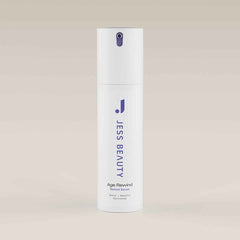
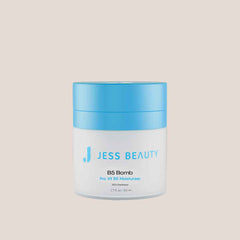
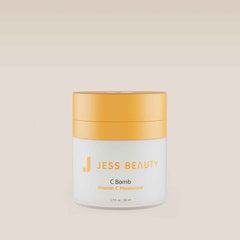
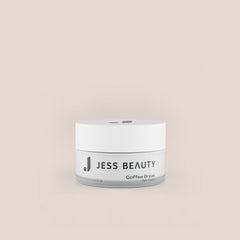
Meadowfoam seed oil is gaining recognition in the skincare world thanks to its hydrating power, lightweight texture, and—most importantly—its ability to keep pores clear. Extracted from the Limnanthes alba plant, this oil is non-comedogenic, meaning it won’t cause acne breakouts or trap impurities. That’s why it’s considered a safe and effective alternative for women with oily, combination, or sensitive skin.
What does “non-comedogenic” mean?
The term “non-comedogenic” refers to products that don’t clog pores or cause comedones—better known as blackheads and whiteheads. In the case of meadowfoam seed oil, its unique chemical structure allows it to absorb quickly without leaving a greasy residue, minimizing the risk of pore blockage.
This is largely due to its high concentration of long-chain fatty acids, such as eicosenoic acid, which don’t overload the skin’s surface. Instead, they help balance sebum production, making it especially beneficial for acne-prone or oil-imbalanced skin.
How does it benefit acne-prone skin?
Thanks to its hydrating, antioxidant, and anti-inflammatory properties, meadowfoam seed oil helps reduce irritation, improves elasticity, and protects the skin against external stressors like sun exposure and pollution. Its unique profile also works as a natural sebum regulator—preventing both excess oil and extreme dryness, two key triggers of breakouts.

Unlike heavier oils that can create an occlusive barrier, this ingredient lets the skin breathe. It leaves a velvety, soft-touch finish without any greasy film, making it ideal for both daytime and nighttime routines.
Are there any risks or contraindications?
While generally safe and well-tolerated, meadowfoam seed oil may cause adverse reactions in some cases. That’s why a patch test is always recommended before applying it widely to the face or scalp. Those with very sensitive skin or a history of nut allergies may occasionally experience mild itching, redness, or inflammation.
For this reason, it should be avoided by individuals with nut allergies or active dermatological conditions unless under medical supervision. Even though irritation is uncommon, a simple patch test on the forearm can ensure a safe experience.
How is it used in cosmetics?
Meadowfoam seed oil is a versatile ingredient found in serums, moisturizers, facial oils, hair care, and even non-comedogenic makeup. Its high oxidative stability and compatibility with active ingredients like niacinamide and hyaluronic acid make it a favorite in formulations.

Its lightweight texture also enhances the absorption of other ingredients, which extends its use beyond facial skincare—it’s often included in body treatments and lip care products as a soothing emollient that prevents dehydration.
A study cited by the USDA-ARS highlights that this oil is highly stable and resistant to oxidation, reducing the risk of altering its composition once applied to the skin.
How to use it in your routine
If you’d like to add meadowfoam seed oil to your skincare without worrying about clogged pores, here are some simple tips:
-
As a hydrating serum: Apply a few drops onto damp skin after cleansing.
-
Blended into creams: Mix with a neutral moisturizer to boost emollience.
-
As a sealing oil: Use as the last step in your routine to lock in hydration without greasiness.
-
For hair care: Apply as a pre-wash treatment to soothe the scalp and soften strands without weighing them down.

In an industry flooded with cosmetic promises, meadowfoam seed oil stands out for delivering real, visible results. By keeping pores clear, it offers sensitive and acne-prone skin a safe, balancing, and deeply nourishing solution.